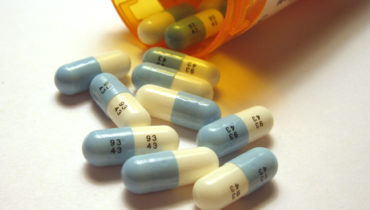
Green coffee bean extract had its TV moment around 2012-2014 and a long marketing tail. The honest 2026 read on benefits and side effects: modest at best on benefits, mild on side effects, oversold on both.
What it actually is
Green coffee is unroasted coffee bean, processed into an extract standardized for chlorogenic acid – the compound the marketing builds claims around. It has caffeine, but less than the same dose of brewed coffee.
Claimed benefits
- Weight loss via chlorogenic acid.
- Reduced blood sugar response after meals.
- Antioxidant effects.
- Blood-pressure support.
What the evidence actually shows
The early studies behind the weight-loss craze were small and methodologically weak; some were later retracted. Larger reviews of better-designed trials find a small, inconsistent effect on body weight – on the order of 1-3 lb over weeks vs placebo, and not in every study. The blood-sugar and blood-pressure effects are real in some studies but modest in scale.
Side effects
Generally mild: jitters, sleep disruption, mild GI upset, headaches – mostly attributable to the caffeine content. People sensitive to caffeine should treat it as a caffeine product. Possible interactions with blood-pressure medication and stimulants.
What to do instead if weight loss is the goal
- Glucomannan before meals – the appetite suppressant with the strongest evidence. Compare on Amazon
- Plain caffeine – more reliable energy and training edge per dollar. Compare on Amazon
Bottom line
Green coffee bean extract is mostly safe, mildly stimulant, and weakly supported for weight loss. It is not the breakthrough the original wave of marketing implied. For 2026, fiber, protein, plain caffeine and (when loss is significant) GLP-1 medication via a doctor are where the actual progress is.
General information, not medical advice. Talk to a healthcare professional before starting any supplement.